Not all decks are created equal
Not all decks are created equal
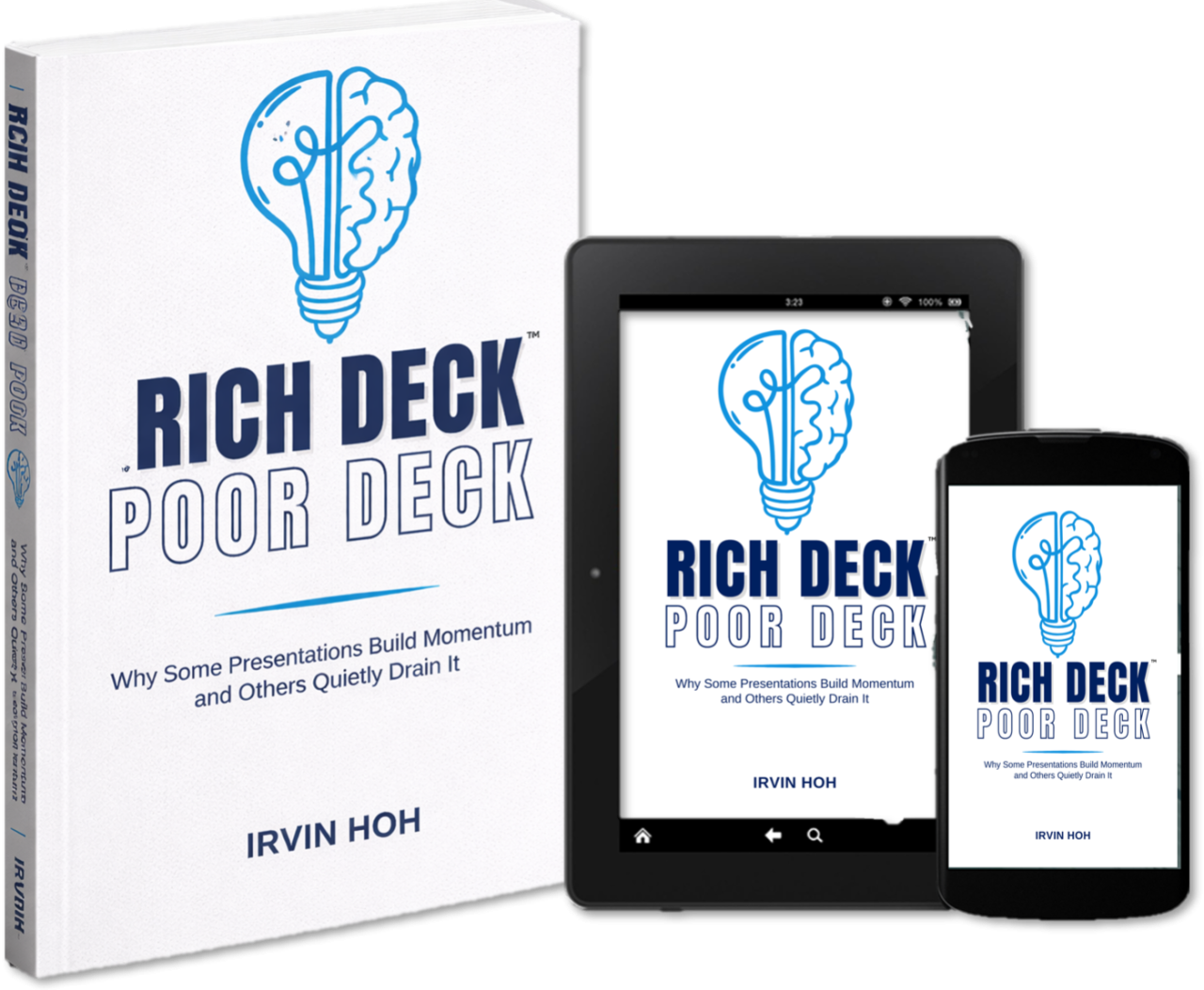
Rich Deck, Poor DeckTM
gives you a proven strategic mindset for building presentations that command attention, earn trust, and drive decisions, not just slides that look good.
Every presenter believes their deck is good enough.
But "good enough" is the enemy of impact. There is a measurable difference between a deck that moves people to act and one that merely fills a meeting slot.
This book, written for corporate professionals presenting to decision-makers, introduces a strategic lens that changes how you think before you even open PowerPoint.
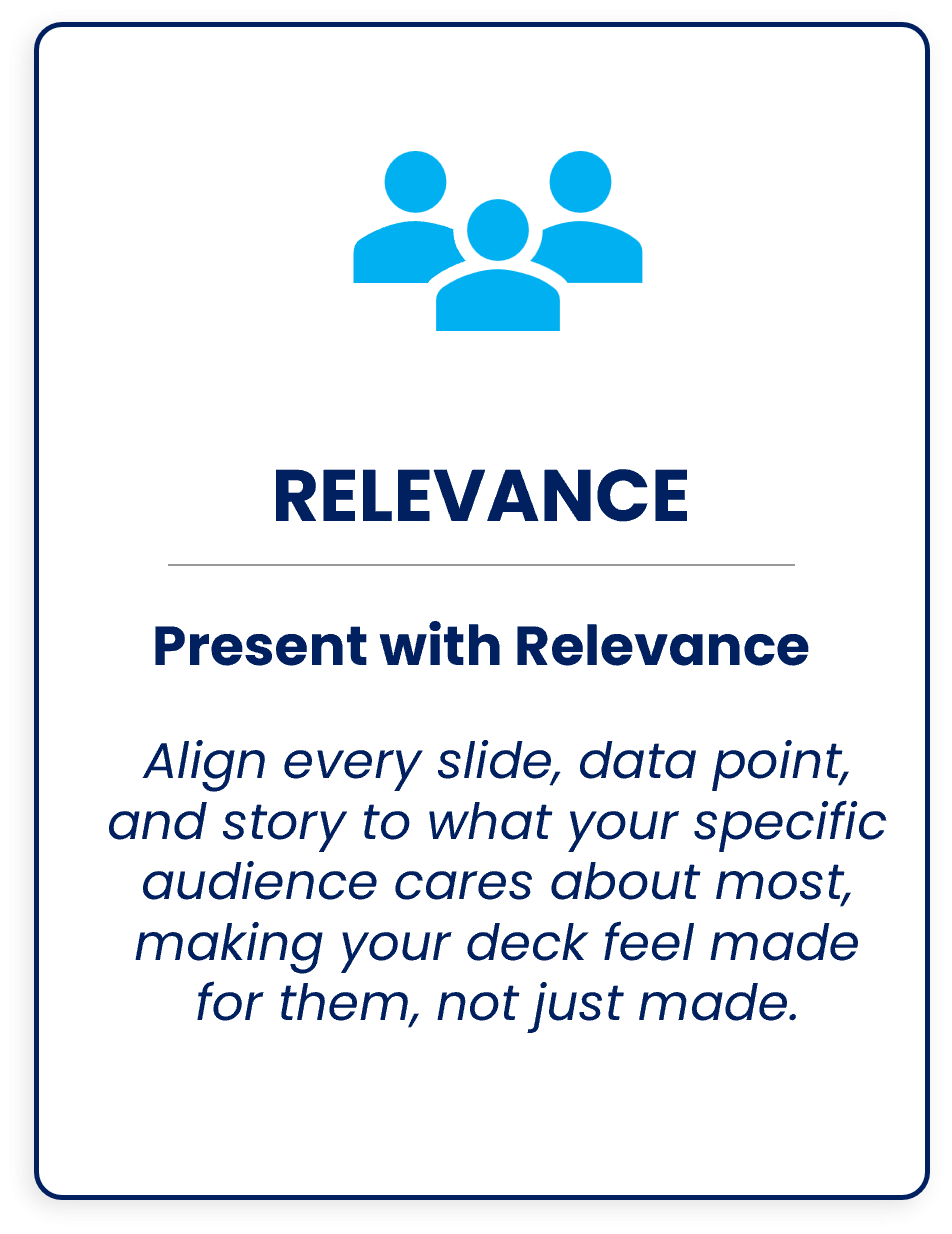
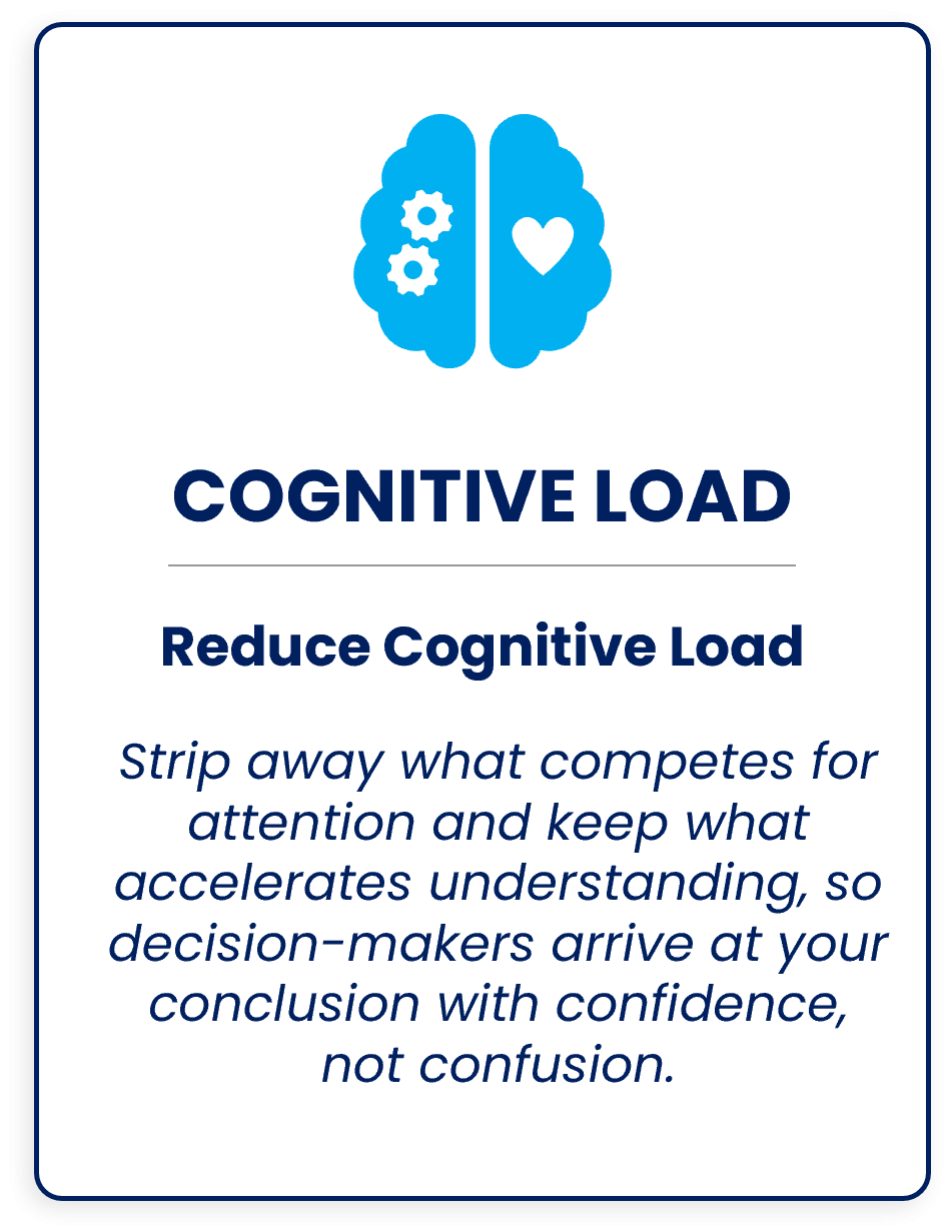
It's about understanding the real purpose of a presentation, what your audience is truly evaluating, and how to build decks that deliver Clarity, Relevance, and low Cognitive Load, the three forces that determine your deck's value.

Using the Rich Deck, Poor Deck philosophy, you will learn to diagnose the hidden weaknesses in your own presentations and rebuild them into decision-ready narratives, the kind that make decision-makers say "yes" before you leave the room.
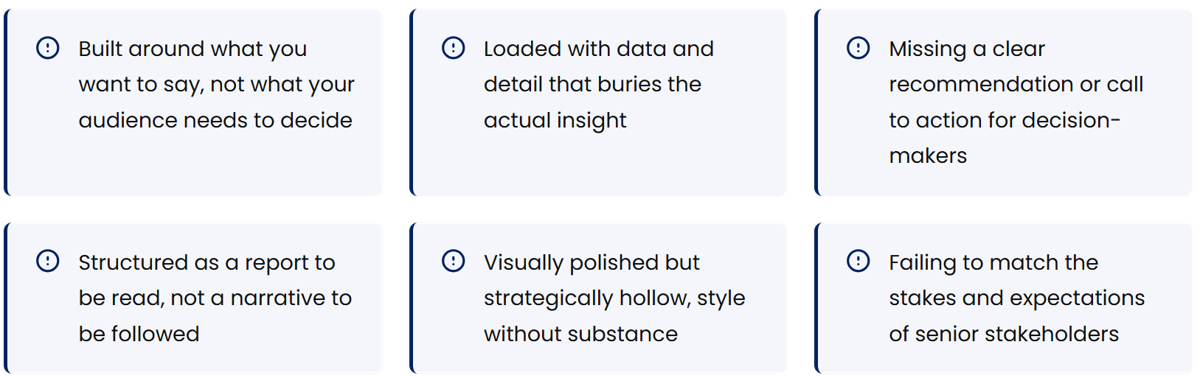
Does your presentation deck fall into the "Poor Deck" trap?
You might if your slides are...
A better deck is not about more slides. It is about a sharper strategy.
When you apply the Rich Deck, Poor DeckTM mindset, you will…

About the Author
Irvin Hoh builds presentations for a living. More precisely, he helps people stop building the wrong ones.
For over a decade, he has worked as a presentation design and data storytelling consultant, helping senior leaders turn complex analysis into clear, usable visual communication. Across industries, he sees the same issue: strong thinking and sound data, weakened by presentations that work against them.
Before consulting, he was the one in the room building those presentations. That experience shaped his work and his books.
His first book, StickySLIDES, focuses on presenting concepts. His second, ChattyCHARTS, focuses on presenting data. Both are widely used as training resources. His latest, Rich Deck, Poor Deck, goes deeper, exploring why some presentations drive decisions while others lead to follow-ups. The difference is not in slides, but in orientation: whether the deck is built for the presenter or the audience.
Together, his work forms a complete arc: concepts, data, and the thinking that determines whether either truly lands.
Irvin speaks on visual communication, information design, and how presentation quality shapes professional reputation. When he is not working on presentations, he is probably thinking about them.